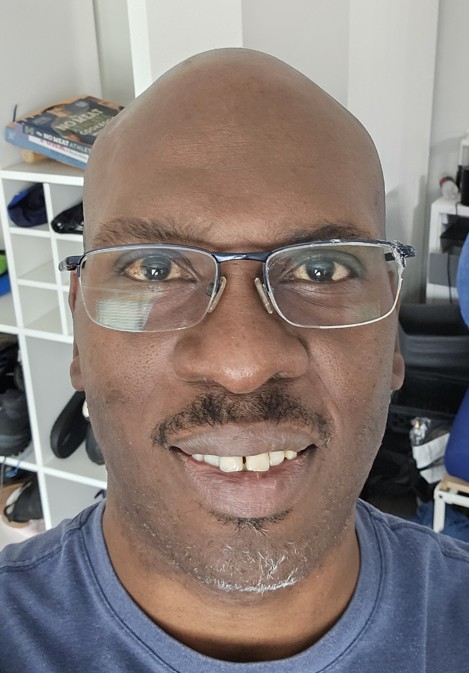
I was exonerated of domestic abuse allegations, and the restraining order was lifted. I am writing about mental health and how we have started outsourcing hard conversations instead of learning to talk, listen, and work through conflict.
Through this process, I felt forced to “prove” my innocence while being treated in ways that felt manipulative and dehumanizing. I thought I was safe, especially being married to a therapist but my ex’s mental health deteriorated in ways I had warned about for years, and I became the target of her paranoia. I lost access to assets and, most painfully, my kids. When I asked for support, I was told to stay quiet, be private, and “talk to a therapist.” I lost friendships and strained family ties, not because I did not need people, but because listening felt harder than redirecting me elsewhere.
I watched COVID-19 restrictions amplify my ex’s fear and suspicion. Over time I was treated like a threat in my own home, so I accommodated more and took on all household responsibilities, at the expense of my mental health. I stopped being seen as a partner and became someone “untrustworthy,” where any mistake could be framed as deception. When a relationship becomes defined by control and punishment instead of communication and repair, this is what abuse can look like.
The legal process made it worse. In my experience, the system often struggles to recognize this kind of harm when it happens to men, and I have seen similar patterns play out. It also clarified something about me: when something is wrong, I cannot stay silent if I do, it affects me physically. But no one should have to “shout” to survive. Legal abuse turns conflict into a game of leverage over assets, reputation, and, worst of all, children.
More broadly, we are losing the ability to have honest conversations. In divorce and conflict, we hand everything to professionals, so it is “done right,” but systems tend to reward what is provable on paper, not what is true in context. When winning becomes the goal, framing can matter more than nuance, history, and basic humanity.
About a month ago, I reached a point where I considered suicide because I could not see a reason to keep going. A close friend, someone I consider a father, helped pull me back. I am sharing this because isolation is dangerous, and “go talk to a therapist” can become a way to avoid being present for someone. If we take mental health seriously, we must listen to each other before it becomes a crisis.
I have had support through this, and I am grateful to the few people who chose hard conversations instead of avoiding them. I am also frustrated by being told to “just comply,” because staying quiet in the face of injustice is not something I can do. I will keep fighting—legally and persistently to be present in my kids’ lives. When institutions fail and there is no accountability, I cannot pretend it is fine. Speaking honestly does not mean I am broken; it has been clarifying. I know I am a fighter, and I intend to keep fighting the right way.

Leave a Reply